Is It Legal to Keep Flying a DJI Drone You Already Own?
You’ve got a DJI drone sitting on your shelf, and now you’re wondering: Is it legal to keep flying a DJI drone you already own? The short answer is yes, but only if it meets current regulations, which have tightened in recent years. Rules like Remote ID and registration requirements can ground even older models overnight.
As of 2026, the FAA, CAA, and EASA all enforce strict compliance for drone operations, and non-compliance can mean fines or confiscation. So before your next flight, you’ll need to verify a few critical details.
Is It Legal to Keep Flying a DJI Drone You Already Own?
Yes, it is legal if your drone meets current aviation authority rules. You must comply with registration, Remote ID, and local flight restrictions. Older DJI models may need firmware updates or hardware add-ons.
Always check the latest regulations in your country before flying.
Quick Answer: Yes, But Only If…
Your drone is still legal to fly if it meets three non-negotiable conditions: registration, Remote ID compliance, and adherence to local airspace rules. The FAA’s Remote ID rule, effective since September 2023, is the biggest hurdle for older DJI models. Without it, you’re grounded.
DJI has released firmware updates for many drones to enable Remote ID, but some pre-2020 models lack the hardware. If yours doesn’t support it, you’ll need a third-party module or a new drone. Registration is simpler: most countries require it for drones over 250g, and it’s a quick online process.

Image source: Wikimedia Commons / Cullen Steber (CC BY-SA)
The 3 Conditions That Decide Legality
Registration
In the US, drones over 250g must be registered with the FAA via DroneZone. The UK requires Operator ID for all drones, while the EU mandates registration for drones over 250g under EASA’s Open Category. Skip this, and you risk fines up to $1,437 in the US or £1,000 in the UK.
Remote ID Compliance
As of 2026, the FAA requires Remote ID for all drones over 250g. DJI models like the Mini 3, Air 2S, and Mavic 3 broadcast this natively. Older drones like the Mavic 2 or Spark may need a firmware update or an external module.
Without it, you can’t legally fly in controlled airspace.
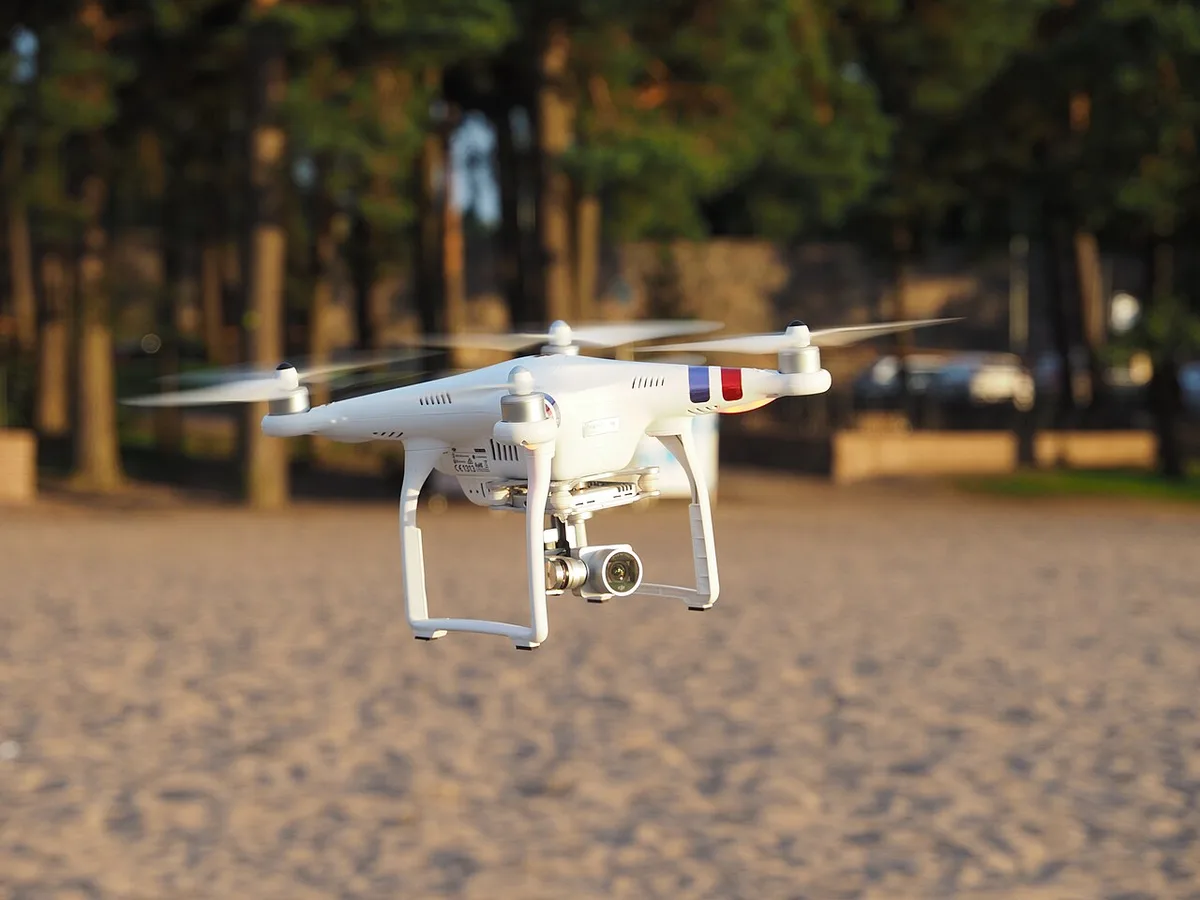
Image source: Wikimedia Commons / JIP (CC BY-SA)
Local Airspace Rules
Even with registration and Remote ID, local laws can restrict flights. No-fly zones include airports, military bases, and national parks. Apps like B4UFLY (US) or NATS Drone Assist (UK) show real-time restrictions.
Ignoring these can lead to immediate grounding or legal action.
How to Check If Your DJI Drone Meets Current Rules
Start with the DJI Fly app. Open it, connect your drone, and check for firmware updates. DJI often pushes compliance patches for older models.
If your drone lacks Remote ID, the app will flag it.
Next, verify your registration. In the US, log in to FAA DroneZone and confirm your drone’s status. For the UK, check your Operator ID on the CAA’s portal.
If you’re in the EU, ensure your drone has a CE mark and is registered under EASA’s system.
Finally, test Remote ID. Use a companion app like Aloft or Kittyhawk to scan your drone’s broadcast. If it doesn’t show up, you’ll need a third-party module like the Dronetag or FlytBase.
These cost around $100, $200 but keep you legal.
What to Do If Your Drone Isn’t Compliant
If your drone lacks Remote ID, you have three options. First, check for a firmware update in the DJI Fly app. DJI has added Remote ID to many models post-launch, including the Mavic Air 2 and Mini 2.
If no update is available, install a third-party Remote ID module. These plug into your drone’s USB or CAN port and broadcast the required data. Brands like Dronetag and FlytBase offer FAA-approved modules.
Expect to pay $100, $200 and allow 30 minutes for installation.
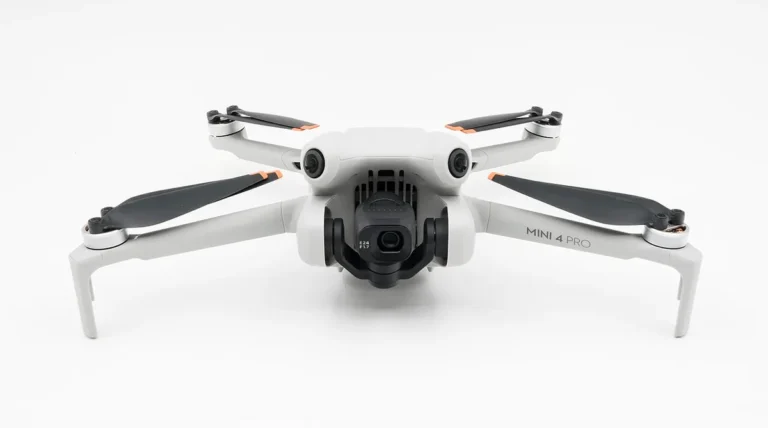
Your last resort is to replace the drone. Newer models like the DJI Mini 4 Pro or Air 3 include Remote ID out of the box. If you fly commercially, this might be the simplest long-term solution.
Selling a non-compliant drone? Disclose its status to avoid legal issues for the buyer.
Country-by-Country Legal Snapshot (USA, UK, EU, etc.)
United States (FAA)
Drones over 250g need registration and Remote ID. Recreational flyers must pass the TRUST test. Commercial pilots need Part 107 certification.
No-fly zones include DC airspace and national parks.
United Kingdom (CAA)
All drones require Operator ID. The A1/A3 categories apply based on weight. Remote ID is mandatory for drones over 250g.
Flying near airports or crowds is restricted.
European Union (EASA)
Drones fall under Open, Specific, or Certified categories. Open Category (A1, A2, A3) covers most hobbyists. Remote ID is required for all drones over 250g.
CE marking is mandatory for compliance.
Canada (Transport Canada)
Drones over 250g need registration and a pilot certificate. Basic or Advanced certifications apply based on flight complexity. Remote ID is not yet mandatory but is under consideration.
Common Mistakes That Get Pilots Fined (or Grounded)
Flying without registration is the most common mistake. The FAA issues fines up to $1,437 for unregistered drones. Even recreational flyers must register if the drone weighs over 250g.
Ignoring Remote ID requirements is another frequent issue. Many pilots assume older drones are exempt. The FAA does not grandfather in non-compliant models.
If your drone can’t broadcast Remote ID, it’s grounded.
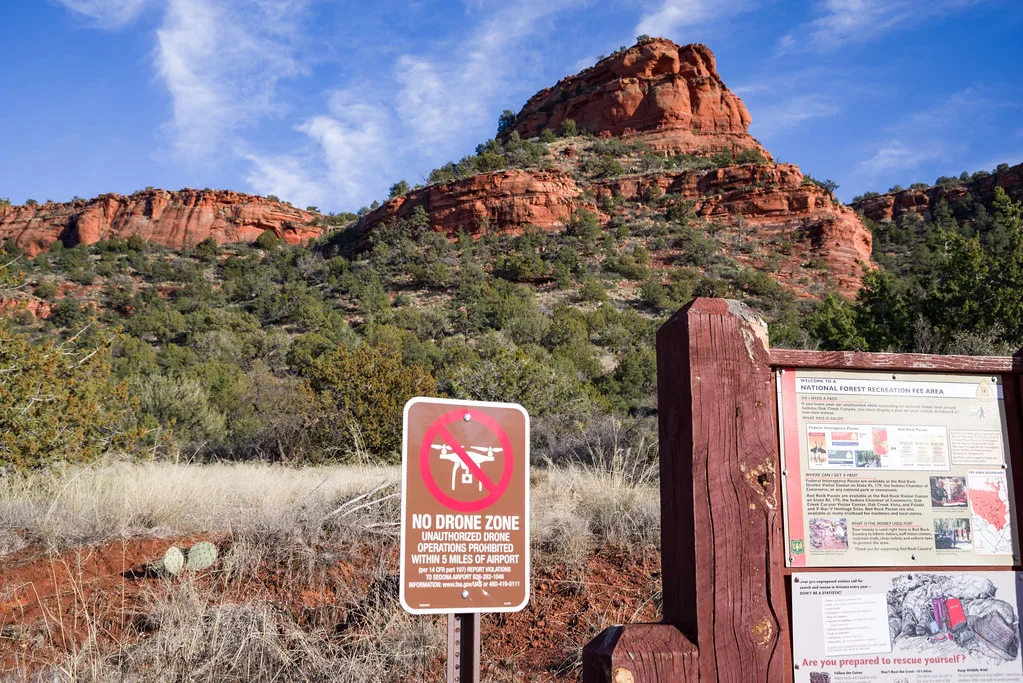
Image source: Openverse / Coconino NF Photography (PDM 1.0)
Flying in restricted airspace is a quick way to get fined. Apps like B4UFLY or NATS Drone Assist show real-time no-fly zones. Temporary flight restrictions (TFRs) often apply during events or emergencies.
Always check before takeoff.
Frequently Asked Questions
Can I fly my DJI Mini 2 without Remote ID?
No, the DJI Mini 2 requires Remote ID to fly legally in the US as of 2026. DJI released a firmware update to enable it. If your drone doesn’t support it, you’ll need a third-party module.
Do I need to register my drone if it’s under 250g?
In the US, drones under 250g don’t require registration for recreational use. However, the UK and EU mandate registration for all drones regardless of weight. Always check local rules.
What happens if I fly a non-compliant drone?
Flying a non-compliant drone can result in fines or confiscation. The FAA can issue penalties up to $1,437 for registration violations. In the UK, fines can reach £1,000.
Can I still fly my DJI Spark in 2026?
The DJI Spark lacks native Remote ID. You’ll need a third-party module to comply with FAA regulations. Without it, the drone cannot legally fly in controlled airspace.
How do I check if my drone has Remote ID?
Use the DJI Fly app to check for firmware updates. If your drone supports Remote ID, the app will confirm it. Alternatively, use a companion app like Aloft to scan for the broadcast signal.