Is DJI Banned in the US? What the FCC Covered List Really Means
DJI drones are still flying in the US, but the rules are tighter than ever. Is DJI Banned in the US? What the FCC Covered List Really Means is a question that trips up even experienced pilots, because the answer isn’t a simple yes or no. As of 2026, DJI isn’t outright banned for personal use, but federal and state restrictions have made ownership and operation a legal minefield.
The FCC’s Covered List doesn’t stop you from buying a DJI drone, but it does block federal funds from being used for the purchase. Meanwhile, the Department of Defense and some state governments have gone further, cutting DJI out of their operations entirely.
Is DJI Banned in the US? What the FCC Covered List Really Means
No, DJI drones are not banned for personal use in the US. The FCC Covered List blocks federal subsidies for DJI purchases. State and federal agencies often restrict DJI drones.
Private citizens can still buy and fly them under FAA rules.
What the FCC Covered List Actually Means for DJI Drones
The FCC Covered List is a national security tool, not a consumer ban. It identifies equipment and services deemed a risk to US communications networks. DJI was added in 2021, meaning no federal dollars can fund its drones for government use.
This doesn’t affect private sales or recreational flying, but it signals caution. Agencies like the DoD and Department of Commerce have their own bans, which are stricter. For example, the DoD’s 2020 rule prohibits all Chinese-made drones, including DJI, for military use.
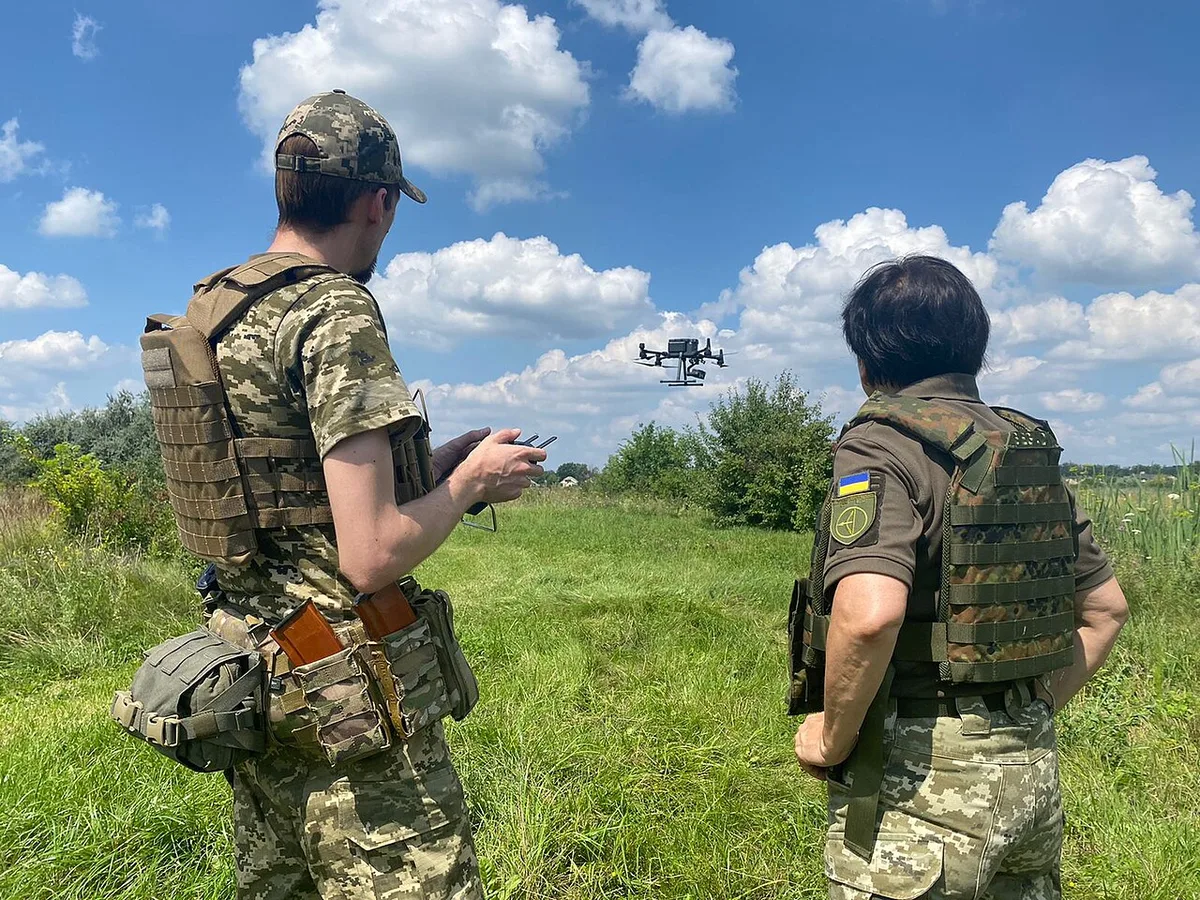
Image source: Wikimedia Commons / Territorial Defence Forces of Ukraine (CC BY)
The Covered List also influences state-level decisions. Florida, Texas, and Arkansas have passed laws restricting DJI drones for government operations. Private companies working with federal contracts may also avoid DJI to comply with Section 889 of the 2019 NDAA, which bans certain Chinese tech.
The Difference Between FCC Covered List, DoD Ban, and State Restrictions
The FCC Covered List targets federal funding, not ownership. If you’re a hobbyist or commercial pilot using your own money, you’re still in the clear. But the DoD ban is absolute: no DJI drones can be used for military purposes, and this often trickles down to contractors.
State restrictions vary. Florida’s 2023 law bans state agencies from buying DJI drones, while Arkansas blocks all Chinese-made drones for government use. Texas has similar rules for certain agencies.
These laws don’t apply to private citizens, but they can limit where and how DJI drones are used in professional settings.
For commercial pilots, the FAA’s Part 107 rules still apply regardless of the drone’s origin. Remote ID compliance and no-fly zone restrictions are mandatory, and DJI drones must meet these just like any other brand.
Who Can Still Legally Buy and Fly DJI Drones in 2026?
Private citizens can buy and fly DJI drones for recreational or commercial use, provided they follow FAA rules. This includes registering drones over 0.55 lbs and obtaining a Part 107 certification for commercial operations.
Government agencies and contractors are largely restricted. Federal agencies cannot purchase DJI drones due to the FCC Covered List and DoD bans. State and local governments may also be restricted, depending on local laws.
Image source: Wikimedia Commons / Eric Friedebach (CC BY)
Businesses not tied to government contracts can still use DJI drones, but they should be aware of data security concerns. DJI has faced scrutiny over potential data sharing with the Chinese government, though the company denies these claims. For sensitive operations, many businesses opt for US-made alternatives like Skydio.
The Risks of Using DJI Drones in the US (And How to Avoid Them)
The biggest risk is legal non-compliance. Flying a DJI drone in restricted areas, such as near military bases or airports, can result in fines or confiscation. The FAA’s Remote ID requirement is also strictly enforced, and non-compliance can lead to penalties.
Data security is another concern. While DJI offers a "Local Data Mode" to prevent data transmission to China, some users remain skeptical. For industries handling sensitive information, such as infrastructure inspection or law enforcement, this risk may outweigh the benefits of DJI’s technology.
To mitigate these risks, always check local and federal regulations before flying. Use DJI’s built-in geofencing to avoid no-fly zones, and consider alternatives if your work involves sensitive data or government contracts. For more on drone laws, the FAA’s website is the most reliable source.
DJI Alternatives: What to Use Instead If You’re Restricted
Skydio is the top US-made alternative for most users. Their drones offer similar obstacle avoidance and camera quality to DJI, with the added benefit of full compliance with federal regulations. The Skydio X2 is a favorite for enterprise and government use.
Autel Robotics is another strong option. While the company is Chinese-owned, its US operations and compliance with FAA rules make it a viable choice for many pilots. The Autel EVO Lite+ is a popular model for photographers and videographers.
For commercial surveying and mapping, Freefly Systems and Teal Drones offer high-end alternatives. These brands are US-based and meet strict data security standards. They’re often used in industries like construction, agriculture, and infrastructure inspection.
If you’re on a budget, Parrot’s Anafi series provides a solid mid-range option. These drones are French-made and comply with most US regulations. They’re a good choice for hobbyists and semi-professional use.
FAQs: DJI, FCC Rules, and US Drone Laws
Can I still buy a DJI drone in the US?
Yes, you can still buy DJI drones in the US for personal or commercial use. The FCC Covered List only restricts federal funding for purchases. Private sales and ownership remain legal.
Are DJI drones banned for government use?
Yes, DJI drones are largely banned for federal and many state government uses. The DoD and FCC restrictions prevent most agencies from purchasing or using DJI equipment.
Do I need FAA registration for my DJI drone?
Yes, any drone over 0.55 lbs must be registered with the FAA. This includes most DJI models. Commercial pilots also need Part 107 certification.
What is the FCC Covered List?
The FCC Covered List identifies equipment and services deemed a national security risk. DJI was added in 2021, blocking federal subsidies for its drones.
Can I fly a DJI drone for commercial work?
Yes, but you must follow FAA rules, including Part 107 certification and Remote ID compliance. Some industries may avoid DJI due to data security concerns.
Are there any states where DJI drones are completely banned?
No state has banned DJI drones for private use. However, some states restrict government agencies from purchasing or using DJI equipment.