FAA Part 107 vs Recreational Drone License: Which One Do You Actually Need?
FAA Part 107 vs Recreational Drone License: Which One Do You Actually Need? If you're unsure whether a hobby flight requires a license, the answer depends on your purpose. Flying for fun follows recreational flyer rules.
Flying for business usually requires an FAA Part 107 Remote Pilot Certificate.
The Recreational UAS Safety Test, known as TRUST, isn't the same as a pilot license. As of 2026, drones weighing 250 grams or more generally require FAA registration, while controlled airspace may require LAANC authorization. Start by identifying why you're flying.
FAA Part 107 vs Recreational Drone License: Which One Do You Actually Need?
FAA Part 107 vs Recreational Drone License: Which One Do You Actually Need?
FAA Part 107 is required for most business-related drone flights.
Recreational pilots must complete TRUST before flying.
Both pilot types must follow FAA airspace and safety rules.
Drone registration and Remote ID may also apply.
Start With the Flight Purpose: Hobby, Business, or Something Else?
Your flight purpose determines which FAA pathway applies. The key question isn't whether someone pays you directly. Ask what the flight supports and how you plan to use the footage or data.
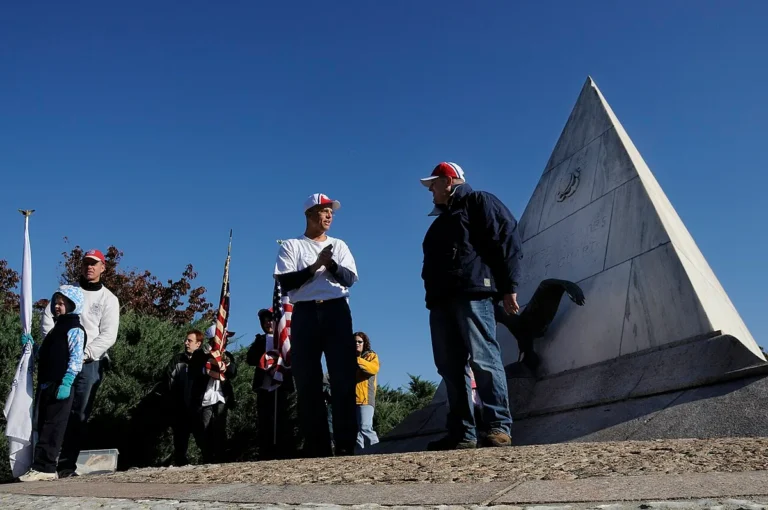
Image source: Wikimedia Commons / Tech. Sgt. Edward Gyokeres
Are you flying only for recreation?
You can usually use the recreational flyer exception if you're flying strictly for personal enjoyment. Examples include practicing in a park, taking personal landscape photos, or flying at an approved model aircraft field.
You still need to:
- Complete the FAA's TRUST test
- Follow an FAA-recognized Community-Based Organization's safety guidelines
- Register the drone when required
- Follow airspace, altitude, visibility, and safety rules
- Comply with Remote ID requirements when they apply
TRUST confirms that you understand basic recreational safety practices. It doesn't grant commercial privileges or replace the Part 107 knowledge test.
Image source: Wikimedia Commons / Tech. Sgt. Edward Gyokeres
Are you supporting a business?
Choose Part 107 if the flight supports a business, client, employer, or paid service. That includes real estate photos, roof inspections, construction progress videos, agricultural mapping, and social media content created for a company.
Payment doesn't have to come directly from the flight. A free flight can still be business-related if it promotes a company or produces material for commercial use.
Image source: Wikimedia Commons / Tech. Sgt. Edward Gyokeres
Use this simple test:
- If the footage is for your personal enjoyment, recreational rules may fit.
- If the footage helps sell, inspect, advertise, or operate a business, Part 107 is the safer path.
- If you expect to accept paid work later, earning Part 107 certification early avoids a compliance gap.
The FAA's official drone safety and recreation guidance explains the requirements for recreational flyers and CBO operations.
Check the Drone Weight, Registration, and Remote ID Requirements
Your drone's weight affects registration, but it doesn't decide whether the flight is recreational or commercial. A lightweight drone can still require Part 107 if you use it for business.
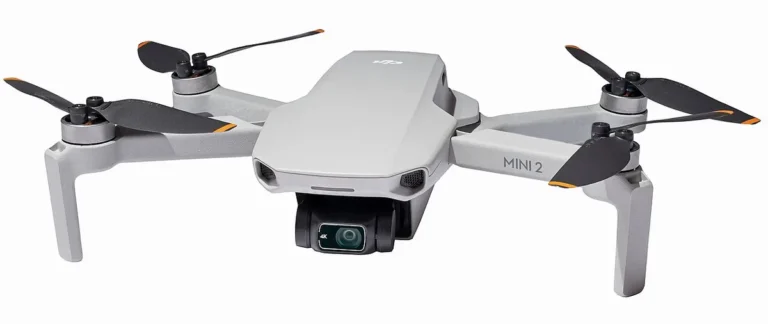
The FAA uses the aircraft's takeoff weight. Count the drone, battery, camera, propeller guards, and any attached equipment used during flight.
Image source: Wikimedia Commons / Dekema (CC BY-SA)
| Drone or operation | Main registration point |
|---|---|
| Recreational drone under 250 grams | Registration may not be required if it stays within the applicable recreational exemption |
| Recreational drone at least 250 grams | Register through the FAA recreational process |
| Drone used under Part 107 | Register through the Part 107 process, regardless of the small-drone exemption |
| Remote ID covered aircraft | Use Standard Remote ID or an approved broadcast module, unless an exception applies |
A drone registered for recreational use shouldn't simply be used for Part 107 work. Part 107 aircraft registration follows a different category and process through FAA DroneZone.
Remote ID broadcasts identification and location information during flight. Manufacturer specifications indicate that compliance may come built into the aircraft or require a separate broadcast module.
Registration also isn't airspace permission. You may register a drone and still need LAANC authorization before flying in controlled airspace. Check the FAA's official UAS information before each operation.
Follow the Correct Decision Path
Use the following workflow before you schedule a flight. It separates the pilot certificate question from registration and airspace questions.
If you're flying only for recreation
Follow this path:
- Confirm the flight is purely for personal enjoyment.
- Complete TRUST and keep proof of completion.
- Check the aircraft's takeoff weight.
- Register the drone if the applicable threshold requires it.
- Confirm Remote ID compliance.
- Follow an FAA-recognized CBO's safety guidelines.
- Check airspace, TFRs, airports, and local restrictions.
- Obtain LAANC authorization when required.
- Keep the drone within visual line of sight.
- Fly within the applicable altitude and safety limits.
If you're flying for business or compensation
Use the Part 107 path:
- Create an FAA airman certification account.
- Study airspace, weather, regulations, and safety.
- Pass the initial FAA-approved aeronautical knowledge test.
- Apply for the Remote Pilot Certificate.
- Complete the required security screening.
- Register each aircraft under Part 107.
- Confirm Remote ID compliance.
- Complete required recurrent training.
- Check airspace and request authorization.
- Review whether a waiver is needed.
Part 107 doesn't give you permission to ignore operating limits. You still need visual line of sight, safe altitude, proper weather conditions, and any required authorization.
If your purpose may change
Get Part 107 before mixing hobby and business use. This is especially practical for photographers, real estate agents, contractors, and creators who may eventually accept paid work.
Don't rely on the phrase “for fun” if the flight produces material for a company. Documenting the purpose before takeoff gives you a clearer compliance record.
Part 107 vs. Recreational Flying: Requirements Side by Side
Both pathways involve more than simply putting the drone in the air. The main difference is the pilot credential and the purpose of the operation.
| Requirement | Recreational flying | FAA Part 107 |
|---|---|---|
| Pilot requirement | Complete TRUST | Hold a Remote Pilot Certificate |
| Flight purpose | Personal recreation | Business, commercial, or qualifying professional use |
| Registration | Required based on recreational rules and weight | Required for each Part 107 aircraft |
| Remote ID | Applies when required | Applies when required |
| Safety framework | FAA rules plus CBO guidelines | Part 107 operating rules |
| Airspace authorization | Required when applicable | Required when applicable |
| Knowledge training | TRUST | Initial test plus recurrent training |
| Waivers | Not a substitute for Part 107 | Available for certain operations |
| Paid work | Not permitted under the recreational exception | Permitted when the operation follows Part 107 |
The recreational path is best for a casual hobby pilot who has no business purpose. It has fewer certification steps, but it still includes training, registration checks, and airspace responsibilities.
Part 107 is best for anyone providing drone services or producing work for a business. It takes more preparation, yet it gives you a recognized framework for professional operations.
Don't confuse the Remote Pilot Certificate with aircraft registration. The certificate belongs to the pilot. Registration belongs to the drone.
You may need both before a lawful flight can happen.
Complete the Right Compliance Steps Before Takeoff
The recreational workflow is usually shorter, but it still needs preparation. Complete TRUST, check your registration status, confirm Remote ID, and review the airspace before launch.
Recreational Flyer Workflow
Before a recreational flight, work through this checklist:
- Confirm the flight is personal and not business-related.
- Keep your TRUST completion proof available.
- Check the drone's takeoff weight.
- Register the aircraft if required.
- Confirm Remote ID compliance.
- Review FAA airspace information and local restrictions.
- Request LAANC authorization when flying in controlled airspace.
- Check for temporary flight restrictions.
- Complete a preflight inspection.
- Keep the aircraft within visual line of sight.
A Community-Based Organization's safety code may add field-specific guidance. Follow those rules alongside federal requirements.
Part 107 Certification Workflow
Part 107 adds certification before the operation begins. After passing the initial knowledge test, submit the remote pilot application and complete the required Transportation Security Administration screening.
Once approved, register each aircraft under Part 107. Complete the FAA's recurrent training within each 24-calendar-month cycle. Review weather, airspace, people nearby, and the planned flight path before every mission.
Airspace Checks, LAANC Authorization, and TFRs
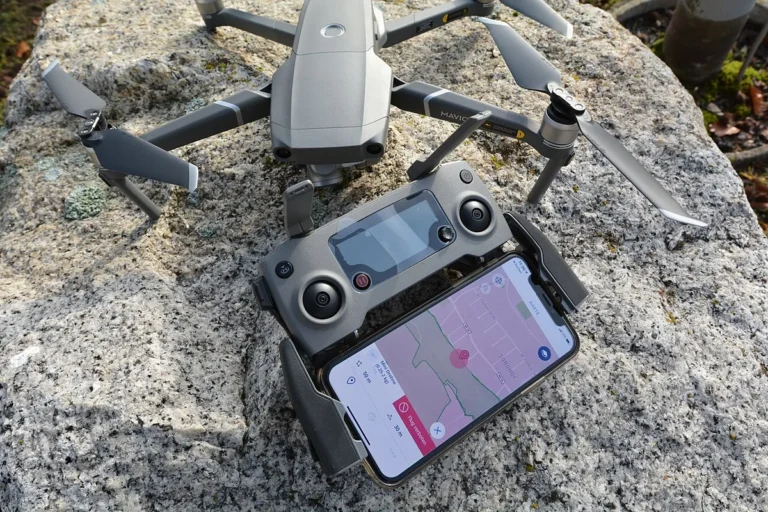
Registration doesn't authorize flight in controlled airspace. If your location requires approval, use the FAA's Low Altitude Authorization and Notification Capability system before takeoff.
Check for TFRs, stadium restrictions, wildfire activity, emergency operations, and special-use airspace. A clear app screen doesn't replace responsible judgment. If conditions change, land and reassess.
Mistakes That Can Put Your Flight or Business at Risk
The most common errors come from treating one requirement as if it covers everything. A TRUST certificate doesn't authorize paid work. A Part 107 certificate doesn't provide automatic airspace permission.
Avoid these mistakes:
- Calling TRUST a recreational drone license
- Using recreational registration for Part 107 work
- Assuming a drone under 250 grams never needs registration
- Flying near an airport without checking authorization requirements
- Ignoring Remote ID
- Operating beyond visual line of sight without proper authority
- Flying over people without meeting the applicable rule
- Assuming a property owner's permission overrides FAA airspace rules
- Forgetting state, local, park, or privacy restrictions
- Treating an expired certificate or training record as current
Business owners should also define the flight purpose in writing. A short client brief, job description, or internal work order can show why the operation was conducted and which compliance path applied.
Weather creates another avoidable risk. Strong wind, poor visibility, rain, and low temperatures can affect battery performance and control. Manufacturer flight manuals should guide the aircraft's operating limits, but the remote pilot remains responsible for the decision to launch.
Frequently Asked Questions
Do recreational drone pilots need a license?
Recreational pilots don't need a Part 107 Remote Pilot Certificate for qualifying hobby flights. They must complete the FAA's TRUST test, follow recreational flyer requirements, and follow an FAA-recognized Community-Based Organization's safety guidance. Registration, Remote ID, airspace authorization, and local restrictions may still apply.
Do I need Part 107 to post drone videos online?
Posting personal drone videos doesn't automatically require Part 107. The purpose matters. If the footage promotes a business, supports paid services, or is created for commercial use, Part 107 is the appropriate pathway.
Personal hobby footage shared for enjoyment generally follows recreational rules.
Can I fly a drone under 250 grams without registering it?
A recreational drone under 250 grams may qualify for the recreational registration exemption. That exemption doesn't cover Part 107 operations. If you use the same lightweight drone for business, register it under Part 107 and meet the related operating requirements.
Is TRUST the same as the Part 107 test?
No. TRUST is a basic safety test for recreational flyers. The Part 107 knowledge test covers airspace, weather, regulations, loading, emergency procedures, and other aeronautical topics.
Passing TRUST doesn't create commercial privileges or qualify you for a Remote Pilot Certificate.
Can I switch from recreational flying to commercial work later?
Yes, but complete the Part 107 process before accepting or performing business-related work. Pass the knowledge test, apply for the Remote Pilot Certificate, register the aircraft under Part 107, and confirm Remote ID and airspace requirements. Don't rely on an earlier recreational registration.
Does Part 107 let me fly anywhere?
No. Part 107 is a certification framework, not a universal flight permit. You still need to follow altitude, visibility, weather, airspace, Remote ID, and people-overflight rules.
Controlled airspace may require LAANC authorization, and some operations need an FAA waiver.
Final Decision Guide: Which FAA Drone Path Fits You?
Choose recreational rules if you fly only for personal enjoyment, complete TRUST, follow CBO safety guidance, and meet the registration and airspace requirements.
Choose Part 107 if the flight serves a business, client, employer, paid service, or commercial project. It also makes sense if your recreational hobby may soon become professional work.
If you're unsure, pause before launch and ask one question: What is this flight producing, and who benefits from it? Personal enjoyment points toward recreational rules. Business value points toward Part 107.