US Drone Laws & FAA Rules Explained for Beginners (TRUST, Registration & Airspace Basics)
Flying legally starts with knowing which FAA rules apply to your flight. “US Drone Laws & FAA Rules Explained for Beginners (TRUST, Registration & Airspace Basics)” covers the key steps, from TRUST and registration to airspace checks and safe operation.
As of 2026, recreational flyers generally need TRUST proof and registered aircraft when required. Part 107 applies to most business operations. The FAA’s 400-foot altitude limit is a core operating rule.
Let’s start with the rules that affect every beginner.
US Drone Laws & FAA Rules Explained for Beginners (TRUST, Registration & Airspace Basics)
US Drone Laws & FAA Rules Explained for Beginners (TRUST, Registration & Airspace Basics)
US drone laws come mainly from the Federal Aviation Administration. Recreational flyers must follow safety rules, complete TRUST, and register qualifying aircraft. Commercial operators usually need a Part 107 Remote Pilot Certificate.
Airspace authorization may also be required.
The FAA Rules Beginners Need to Get Right Before Flying
The Federal Aviation Administration, or FAA, regulates the national airspace and most drone operations in the United States. A drone is treated as an unmanned aircraft, even when you fly it only for fun. That means recreational use still carries legal responsibilities.
The FAA rules usually fall into five practical areas:
- Pilot qualification and safety training
- Aircraft registration
- Remote Identification
- Airspace authorization
- Operating limits and safety duties
You must also follow restrictions from other authorities. State privacy laws, city park rules, airport policies, and National Park Service restrictions can affect where you launch or land.
What does the FAA require from every beginner?
The answer depends on your purpose, aircraft, and location. Start by asking three questions:
- Are you flying only for recreation?
- Does the drone meet the FAA registration threshold?
- Is the flight area controlled, restricted, or subject to local rules?
If you fly purely for fun, the recreational exception under 49 USC § 44809 may apply. You still need to follow FAA safety requirements and the safety guidelines of an FAA-recognized community-based organization.
If you’re taking photographs for a client, inspecting a roof for payment, or promoting a business, Part 107 usually applies. The purpose of the flight matters more than whether you personally receive money that day.
The FAA’s official unmanned aircraft systems resources provide current information on registration, Remote ID, airspace, and operating rules. Check those resources before relying on an older video, app, or social media post.
The basic operating limits
Most beginner flights should stay:
- At or below 400 feet above ground level
- Within your visual line of sight
- Clear of people and moving vehicles
- Away from emergency response activity
- Below the maximum speed allowed for the applicable operating category
- Clear of other aircraft, with drones always yielding the right of way
The 400-foot rule has specific exceptions and details. For example, Part 107 allows certain operations near structures when the drone stays within the required distance of that structure. Don’t treat the rule as permission to fly 400 feet above every location.
Recreational vs. Commercial Drone Flights: Which Rules Apply to You?
Your flight’s purpose determines which FAA pathway you should use. Recreational flying means flying solely for personal enjoyment. Commercial or non-recreational flying generally falls under Part 107, even if the flight is unpaid or part of a business activity.
| Flight purpose | Typical FAA pathway | Main pilot requirement |
|---|---|---|
| Personal hobby flight | Recreational exception | TRUST completion |
| Paid aerial photography | Part 107 | Remote Pilot Certificate |
| Real estate listing photos | Part 107 | Remote Pilot Certificate |
| Roof inspection for your company | Part 107 | Remote Pilot Certificate |
| Practice flight for a future business | Usually recreational | TRUST, unless tied to a non-recreational operation |
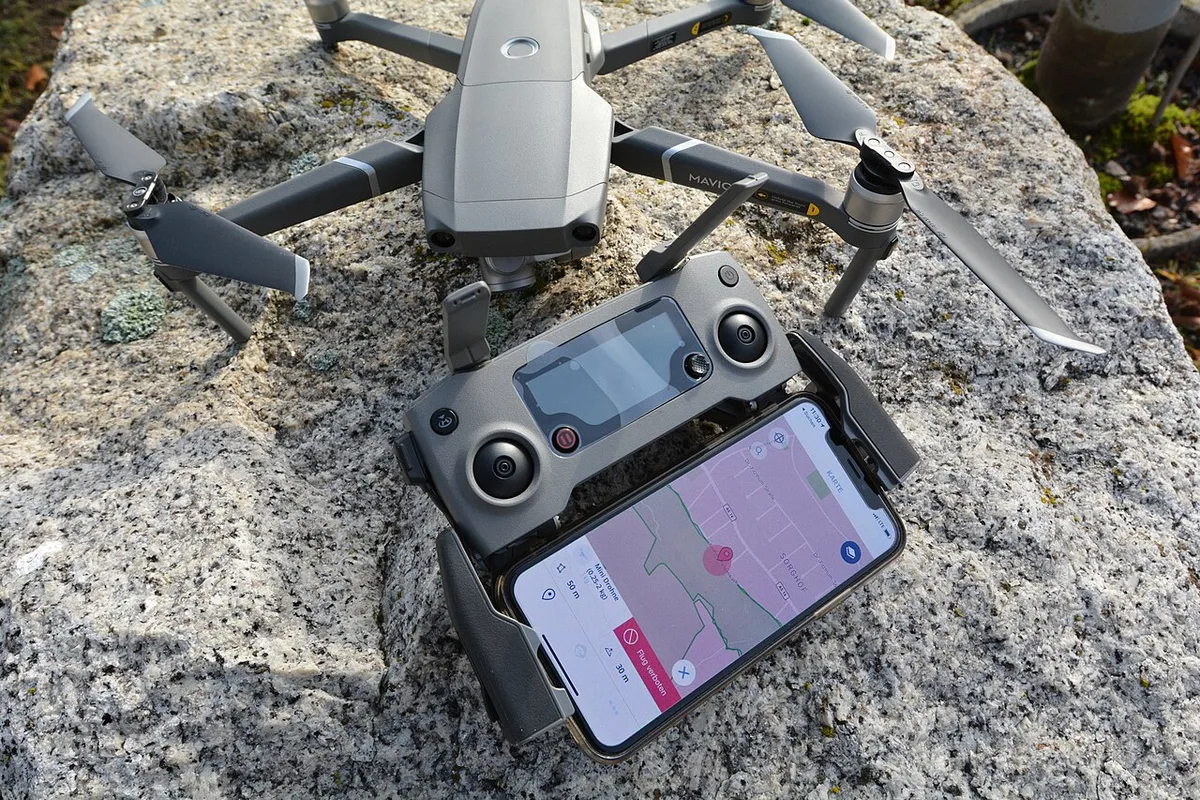
Image source: Wikimedia Commons / U.S. Army USA-GB by Andreas Kreuzer
When does recreational flying apply?
Recreational flying applies when enjoyment is the only purpose of the operation. You can still record photos or video for yourself. You can also share personal footage without automatically turning the flight into a commercial operation.
The situation changes when the flight supports a business, job, sale, inspection, or professional service. A real estate agent taking footage for a listing should plan under Part 107. So should a contractor documenting a client’s roof.
A company employee doesn’t avoid Part 107 by flying during personal time. If the operation serves the employer, the purpose may not qualify as purely recreational.
What is TRUST?
TRUST stands for The Recreational UAS Safety Test. It’s an FAA-required knowledge and safety test for recreational flyers. You complete it through an FAA-approved test administrator, then keep proof of completion while flying.
TRUST is not a pilot license. It doesn’t authorize commercial work, controlled-airspace access, or flights that violate other FAA rules. It confirms that you’ve reviewed basic safety responsibilities.
If you lose your completion proof, contact the test administrator you used. Don’t assume a screenshot or email is enough unless it clearly identifies your completed test.
When do you need Part 107?
You generally need Part 107 when the flight is not solely recreational. That includes many common work-related uses:
- Paid photography or videography
- Roof, tower, or construction inspections
- Mapping and surveying
- Agricultural monitoring
- Promotional business footage
- Real estate marketing
- Public agency operations
A Part 107 pilot must pass the FAA knowledge test and hold a Remote Pilot Certificate. Part 107 also includes rules for altitude, visibility, night operations, operations over people, and controlled airspace.
Don’t confuse Part 107 certification with aircraft registration. A pilot certificate covers the operator. Registration identifies the aircraft.
You may need both.
Drone Registration: When You Need It and How to Complete It
You generally must register a drone weighing 250 grams or more at takeoff. Recreational flyers may not need to register a drone under 250 grams, but the aircraft must still be operated safely and within the applicable FAA rules.
Weight means the aircraft’s takeoff weight. Include the battery and anything attached for the flight. A lightweight drone can cross the threshold after adding a larger battery, propeller guards, a light, or another accessory.
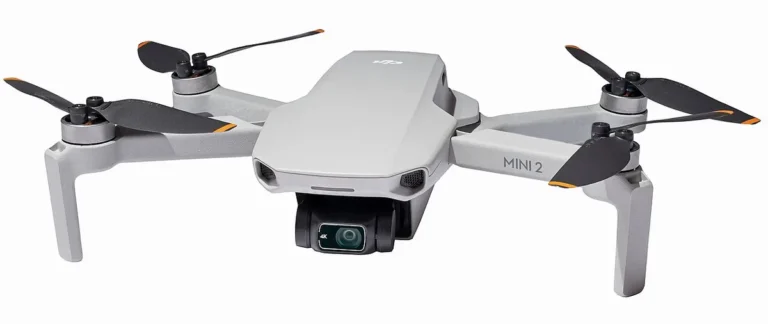
Image source: Wikimedia Commons / JeanyMay (CC BY-SA)
How do you register a drone?
Use the FAA’s DroneZone registration system. Prepare the owner’s contact information, the drone details requested by the system, and the registration fee. After approval, the FAA issues a registration number and certificate.
Follow these steps:
- Confirm the aircraft’s takeoff weight.
- Decide whether the flight is recreational or covered by Part 107.
- Create or access your FAA DroneZone account.
- Enter the requested owner and aircraft information.
- Pay the applicable registration fee.
- Save the registration certificate.
- Mark the aircraft with the assigned registration number.
The FAA recreational registration fee is commonly $5 per aircraft, and the registration period is three years. Verify the current fee and renewal date inside DroneZone because requirements can change.
Place the registration number where it can be seen during normal handling. The marking should remain attached and readable. If the aircraft changes ownership, update the registration rather than continuing to use the former owner’s information.
Does a sub-250-gram drone always avoid registration?
No. The exception depends on both weight and operating category. A sub-250-gram aircraft used for recreational flying may qualify for the registration exception.
The same aircraft used under Part 107 generally must be registered.
A drone’s marketing label doesn’t decide the legal result. Check its actual takeoff weight and intended use. Read what can happen if you fly without FAA registration before treating registration as optional.
What should you carry while flying?
Keep the required proof available during the operation. Recreational flyers should carry TRUST completion evidence and the aircraft registration certificate when registration applies. Part 107 pilots should also be ready to show their Remote Pilot Certificate.
Digital copies can help, but your phone may lose power or signal. A saved offline copy or printed document gives you a backup. You should also know the registration number without relying on memory during a stressful situation.
Registration doesn’t grant permission to fly anywhere. You still need to check airspace, temporary flight restrictions, local launch rules, and Remote ID requirements.
Remote ID Explained: What It Is and Who Must Follow It
Remote ID is a digital identification and location system for covered unmanned aircraft. It broadcasts information such as the aircraft identification, location, altitude, and takeoff location during flight. The FAA created the system to help identify drones operating in the airspace.
Remote ID generally applies to registered drones, including aircraft registered for recreational and Part 107 operations. A drone can comply through built-in Standard Remote ID, an approved broadcast module, or operation within an FAA-recognized identification area.
What are the three Remote ID compliance options?
Standard Remote ID: The drone has built-in equipment that broadcasts the required information. Manufacturer specifications should confirm whether the aircraft includes this capability.
Remote ID broadcast module: An approved module attaches to the aircraft and broadcasts the required information. The module must remain properly installed and operational for the flight.
FAA-recognized identification area: A FRIA is an approved location where eligible aircraft can operate without broadcasting Remote ID in the standard way. The aircraft must remain within the FRIA boundaries and follow the site’s conditions.
Remote ID is not the same as FAA registration. Registration identifies the aircraft in FAA records. Remote ID broadcasts information during flight.
If both requirements apply, meeting one doesn’t replace the other.
What if Remote ID stops working?
Land as soon as practical and safely if your aircraft loses required Remote ID functionality. Don’t continue a routine flight while knowingly operating outside the applicable compliance method.
Before takeoff, check the aircraft’s status screen or manufacturer instructions. Confirm that the firmware, module, and registration information match. A module with a dead battery, loose connection, or incorrect serial number can create a compliance problem.
Do not assume that turning off a phone’s location service disables Remote ID requirements. The aircraft’s broadcast system and your controller’s connection are separate issues.
What should beginners check?
Use this quick check before every flight:
- Confirm whether the drone requires registration.
- Confirm the aircraft’s Remote ID method.
- Check that the module or built-in system is active.
- Verify the aircraft identification details.
- Confirm that the launch site isn’t outside a required FRIA boundary.
- Keep the registration information current.
Remote ID doesn’t provide airspace authorization. You can have a fully registered, Remote ID-compliant drone and still be prohibited from flying in a controlled zone. The next step is checking where the aircraft can legally operate.
Airspace Basics: Where You Can Fly and When Authorization Is Required
Your drone’s registration doesn’t give you permission to fly in every location. Before takeoff, check the airspace, airport proximity, temporary flight restrictions, and local launch rules. If the area is controlled, request authorization before entering it.
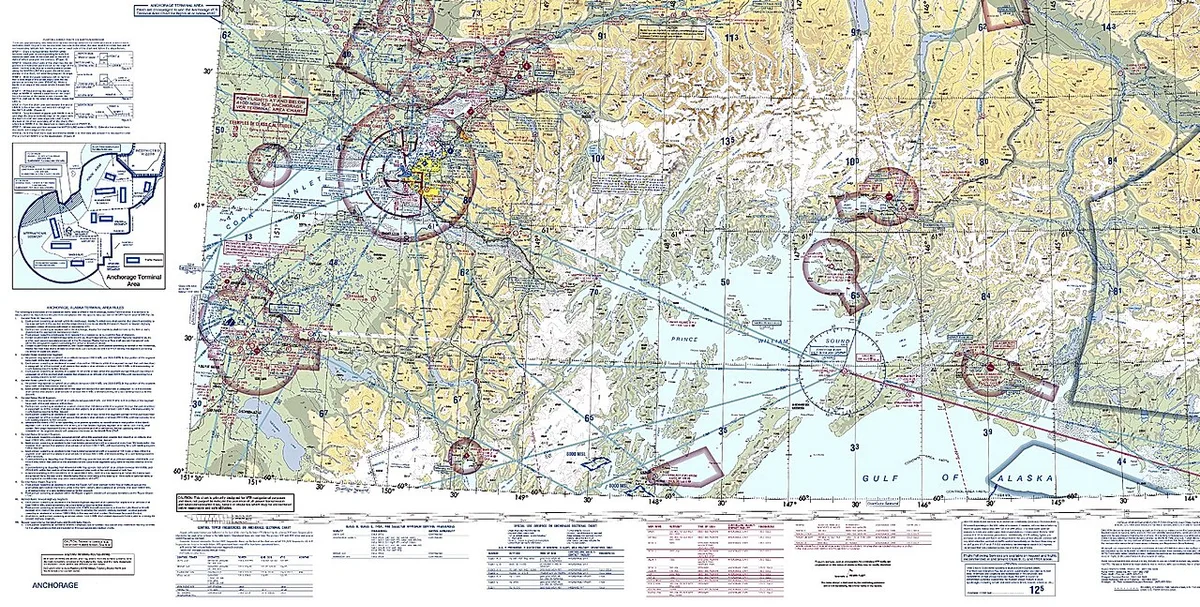
Image source: Wikimedia Commons / Federal Aviation Administration (FAA)
Controlled Airspace, Uncontrolled Airspace, and Airport Restrictions
Controlled airspace surrounds many airports and busy aviation areas. It commonly includes Class B, Class C, Class D, and some Class E airspace. Flying there may require FAA authorization, even if the location looks empty from the ground.
Class G airspace is generally uncontrolled, but it still isn’t a free-for-all. You must follow altitude, visibility, right-of-way, and safety rules. Temporary restrictions can also close or limit operations in normally open airspace.
If your planned launch point sits near an airport or heliport, check the FAA’s current airspace information. Don’t rely only on a colored map. Read the altitude limit and authorization instructions tied to that location.
How does LAANC authorization work?
LAANC, or Low Altitude Authorization and Notification Capability, provides near-real-time authorization for many controlled-airspace operations. You request it through an FAA-approved service provider before flying. The approval usually includes a maximum altitude for a specific area.
The basic process is:
- Open an FAA-approved LAANC provider.
- Enter the takeoff location.
- Review the displayed grid and altitude ceiling.
- Submit the requested operation details.
- Wait for approval before launching.
- Keep the authorization available during the flight.
An approved LAANC request doesn’t cancel other rules. You still need visual line of sight, safe weather, proper Remote ID compliance, and permission to use the launch site.
If LAANC isn’t available for the location or operation, use the FAA’s manual airspace authorization process. Don’t launch while waiting for approval.
Which restrictions require extra checking?
Review current notices before every flight near:
- Major sporting events
- Wildfires and emergency response areas
- Military installations
- Nuclear facilities
- Presidential movements
- Disaster zones
- Temporary flight restriction areas
- Airports and heliports
National parks often prohibit launching, landing, or operating drones from park property. State parks and city parks may have separate restrictions. A location can be open under FAA airspace rules but closed under land-management rules.
The Beginner’s Preflight Workflow for a Legal Drone Flight
A reliable preflight workflow turns complicated rules into a short decision process. Start with the flight purpose, then check the aircraft, airspace, location, and operating conditions. If any answer is unclear, pause the flight until you can verify it.
Confirm your operating category and pilot requirements
Ask this first: is the flight purely recreational?
- If yes, complete TRUST and follow the recreational flyer rules.
- If no, plan under Part 107.
- If the purpose changes during planning, reassess the entire operation.
For example, personal practice footage may fit recreational flying. Footage captured for a client, business listing, inspection, or promotional campaign generally does not.
Next, confirm the aircraft details. Check its takeoff weight, registration status, Remote ID method, battery condition, and firmware warnings. A sub-250-gram aircraft can still require registration when used for a Part 107 operation.
Check the location and airspace
Enter the exact launch point into a current FAA airspace tool. Review the altitude ceiling, controlled-airspace status, LAANC availability, and nearby airports. Then check NOTAMs and temporary flight restrictions for the planned time.
Use the exact launch location, not just the city name. Airspace boundaries can change within a short distance. A park parking lot and a nearby private field may sit under different restrictions.
Also confirm that you’re allowed to take off and land there. Property access and FAA airspace authorization are separate permissions.
Complete the final safety check
Before takeoff, confirm:
- The drone and controller have sufficient battery
- Propellers and motors show no visible damage
- The home point is recorded correctly
- The compass and positioning systems show no critical warning
- You can maintain visual line of sight
- People and vehicles are outside the planned operating area
- Weather and visibility meet the applicable rules
- The flight path avoids emergency activity and obstacles
If the aircraft behaves unexpectedly, climb only if doing so remains safe and legal. Otherwise, land in the nearest suitable area. Never chase a flyaway into traffic, crowds, or restricted airspace.
Core Operating Limits Under FAA Rules
FAA operating limits protect both air traffic and people on the ground. The exact requirements depend on whether you’re flying recreationally or under Part 107. The safest approach is to use the stricter practical limit whenever the situation is uncertain.
The 400-foot altitude limit and aircraft right of way
Part 107 generally limits small unmanned aircraft to 400 feet above ground level. Recreational flyers must follow the safety guidelines that apply to their operation, including the standard low-altitude safety expectation.
Altitude is measured from the ground below the aircraft, not always from your launch point. Flying uphill can create a dangerous error if you keep the drone at the same height shown on the controller.
Manned aircraft always have priority. If a helicopter, airplane, or other aircraft approaches, lower the drone or land immediately. Don’t assume the other pilot has seen you.
Visual line of sight, FPV flights, and visual observers
You must keep the aircraft within visual line of sight unless you hold an applicable waiver or operate under a specific rule that permits otherwise. Watching only the controller screen doesn’t satisfy ordinary visual line-of-sight requirements.
FPV pilots often use goggles, so a visual observer may be needed. The observer must be able to see the drone directly and communicate effectively with the pilot. A person standing nearby without understanding the flight plan doesn’t provide meaningful support.
Buildings, trees, glare, fog, and darkness can break visual contact. If you can’t identify the aircraft’s position and attitude, the flight has exceeded your practical visual limit.
Night flights, operations over people, and moving vehicles
Night operations can be legal when the pilot meets the applicable requirements. Under Part 107, the aircraft typically needs anti-collision lighting visible for at least three statute miles. The pilot must also satisfy the required knowledge or training conditions.
Flying over people is not automatically allowed because the person agreed to it. Part 107 includes categories and conditions involving the aircraft, operation, exposure time, and people’s location. Recreational flyers should avoid direct flights over uninvolved people.
Moving vehicles create another risk. Don’t fly over traffic or a moving car unless a specific rule allows the operation and all conditions are met. A drone failure above a road can injure people and cause a crash within seconds.
FAA Rules vs. State, Local, Property, and Park Restrictions
The FAA controls the national airspace, but it doesn’t grant unlimited access to every launch site. State, county, city, airport, property, and park authorities can control where you take off, land, or conduct certain activities.
Why private property doesn’t control the airspace above it
A property owner generally controls access to the land, buildings, and reasonable privacy around the property. That doesn’t mean the owner controls all airspace above the parcel. FAA airspace rules still apply.
You may be allowed to fly through lawful airspace but still be prohibited from launching from private property. You can also create privacy or trespass problems by hovering near windows, filming secluded areas, or repeatedly monitoring someone’s home.
Review FAA and state drone rules for flights over private property before planning neighborhood operations. Keep the flight necessary, brief, and respectful.
State privacy laws and local launch rules
State laws may address voyeurism, surveillance, harassment, trespass, and recording in private places. Local governments may restrict takeoff and landing in parks, sidewalks, beaches, or public facilities.
These rules can apply even when the airspace itself is open. Search the official website of the city, county, park agency, or airport managing the location. A sign at the entrance may also contain a launch restriction.
Commercial operators should check contract terms as well. A client may own the site but still need permission from the airport, building owner, or local authority.
Flying near homes, events, and critical infrastructure
Avoid unnecessary flights near crowds, schools, hospitals, prisons, power facilities, and military sites. Some locations have specific legal restrictions. Others create heightened safety and privacy risks.
Never rely on a verbal claim that “drones aren’t allowed anywhere here” or “the FAA allows everything above private land.” Verify each part separately:
- FAA airspace status
- Launch and landing permission
- State privacy restrictions
- Local property or park rules
- Event and emergency restrictions
Common Drone Law Mistakes, Fines, and Enforcement Risks
Most beginner violations come from simple assumptions. Pilots register the aircraft but skip airspace authorization. They complete TRUST but assume it works like a license.
They see an empty field and overlook a temporary restriction.
Unregistered aircraft and missing TRUST proof
A drone that meets the registration threshold must carry the assigned marking. Keep the certificate accessible, and renew it before the registration period ends. If you operate recreationally, carry proof of TRUST completion as well.
A registration number doesn’t transfer automatically when you sell the aircraft. The new owner must handle the registration correctly. Remove outdated markings and apply the new number where required.
Flying without LAANC authorization or into a TFR
An airspace app can show where you are, but opening the app isn’t the same as receiving approval. If the grid requires authorization, obtain it before takeoff. Save the approval details and follow its altitude ceiling.
Temporary flight restrictions can appear after you’ve planned a flight. Recheck the area shortly before launch. A valid authorization may not override a newer restriction.
Misunderstanding small drones
Sub-250-gram drones reduce some registration burdens, but they don’t remove safety duties. You still need to avoid manned aircraft, respect people’s privacy, and follow airspace restrictions.
A smaller aircraft can still cause injury, property damage, or an aviation conflict. Treat weight as one decision factor, not a complete legal exemption.
What to do after a flyaway or complaint
If the drone flies away, stop trying to recover it in an unsafe area. Record the last known location, notify affected property owners when appropriate, and report the incident if FAA rules require it.
If someone complains, land safely and remain calm. Don’t argue that registration or FAA authorization makes every operation lawful. Document the location, time, flight purpose, authorization, and any relevant safety actions.
Those records can help clarify what happened.
Frequently Asked Questions
Do I need a license to fly a drone recreationally?
No, recreational flyers don’t usually need a Part 107 Remote Pilot Certificate. You must complete the FAA’s TRUST test, follow recreational safety rules, and register the aircraft when required. A Part 107 certificate is generally needed when the flight supports business, paid work, or another non-recreational purpose.
Do I need to register a drone under 250 grams?
A drone under 250 grams may avoid registration when flown purely for recreation. The aircraft still must follow FAA safety and airspace rules. If you operate that same drone under Part 107, registration is generally required.
Measure takeoff weight with the battery and attached accessories installed.
Is TRUST the same as a Part 107 certificate?
No, TRUST is a safety test for recreational flyers. It doesn’t authorize commercial operations or replace airspace approval. Part 107 requires a separate FAA knowledge test and Remote Pilot Certificate.
Both pathways still require safe operation, right-of-way compliance, and adherence to applicable airspace restrictions.
Can I fly a drone over private property?
Private property doesn’t automatically control the airspace above it, but owners control access to their land. You may also face state privacy laws, trespass claims, or local launch restrictions. Avoid hovering near windows, filming private areas, or repeatedly monitoring a property without clear permission.
Can I fly near an airport or in my neighborhood?
You can fly near some airports or neighborhoods only when the airspace and local rules allow it. Controlled airspace may require LAANC authorization before takeoff. Check the exact launch point, altitude limit, temporary flight restrictions, and local property rules.
Never rely on distance alone.