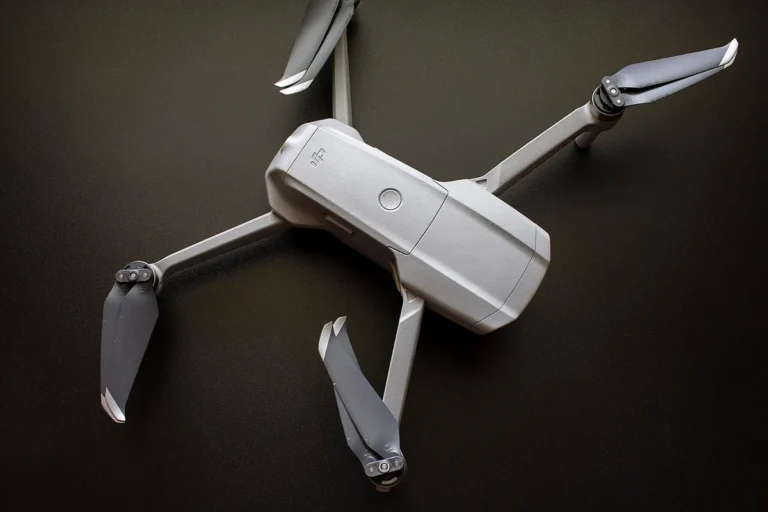
What Happens If You Fly a Drone Without FAA Registration? (Fines & Penalties)
What Happens If You Fly a Drone Without FAA Registration? (Fines & Penalties) depends on the drone’s weight, purpose, and the rules you break. A recreational pilot may face FAA enforcement, while a commercial operator can also violate Part 107.
Registration alone doesn’t authorize flights in restricted airspace.
As of 2026, most drones weighing 250 grams or more must be registered for recreational use. Part 107 operators must register covered aircraft regardless of weight, then follow separate pilot and operating rules. Start by checking which registration category applies to your flight.
What Happens If You Fly a Drone Without FAA Registration? (Fines & Penalties)
What Happens If You Fly a Drone Without FAA Registration? (Fines & Penalties)
Flying an unregistered drone can trigger FAA enforcement action.
The FAA may issue a warning or propose a civil penalty.
Commercial operators face additional Part 107 violations.
Serious or intentional conduct can create criminal exposure.
Registration violations can also uncover unsafe flight practices.
When FAA Registration Is Required, and When the 250-Gram Exemption Applies
You generally need FAA registration if your recreational drone weighs 250 grams or more at takeoff. That weight includes the battery, propellers, and attached equipment used for flight.
The FAA’s 250-gram exemption applies only to limited recreational operations. It doesn’t automatically apply to commercial work, paid photography, inspections, or other Part 107 flights.
Use this simple decision test:
- If the drone weighs under 250 grams and you fly only recreationally, FAA registration may not be required.
- If the recreational drone weighs 250 grams or more, register it before flying.
- If you fly under Part 107, register the aircraft even when it weighs under 250 grams.
- If the drone is used for compensation, hire, business, or paid services, treat the flight as commercial unless a specific rule says otherwise.
A drone’s advertised weight isn’t always its legal operating weight. Check the manufacturer’s specifications, then account for the battery and any payload. The FAA’s official drone resources explain registration, recreational flying, and Part 107 requirements.
Recreational registration is completed through FAA DroneZone. The registration certificate applies to qualifying recreational aircraft, while Part 107 operators generally register each aircraft individually. The FAA registration number must be displayed on the drone and remain readable.
Fines and Penalties for Flying an Unregistered Drone
The FAA can pursue a civil penalty for operating an aircraft that should have been registered but wasn’t. The final amount depends on the facts, the operator’s conduct, and whether other rules were broken.
There isn’t one automatic fine charged to every unregistered drone pilot. The FAA may consider factors such as:
- Whether the flight was recreational or commercial
- The drone’s weight and registration category
- Whether the violation was accidental or deliberate
- Whether the pilot had prior warnings
- Whether the flight created a safety risk
- Whether other FAA rules were violated
- Whether the pilot cooperated with investigators
Possible FAA actions include an informal warning, a request for information, or a formal notice of proposed civil penalty. A formal notice usually explains the alleged violations and gives the recipient a deadline to respond.
Criminal consequences are less common, but they can arise from serious, intentional, or broader aviation violations. Unregistered operation combined with reckless flying, interference with aircraft, restricted-airspace violations, or false statements creates a much more serious problem.
The FAA’s civil penalty authority comes from federal aviation law, including 49 U.S.C. § 46301. The exact penalty range can change, so check the current FAA notice and applicable law rather than relying on an old dollar figure.
Registration problems can also affect your ability to explain the flight. If investigators find that you flew near an airport, beyond visual line of sight, or without required authorization, the registration issue may become only one part of the case.
What Changes the Risk in Your Situation?
The risk changes sharply based on how, where, and why you flew. A first-time recreational mistake involving a qualifying drone is different from repeated commercial flights without registration.
Recreational or Part 107 operation
If you flew only for fun, the FAA will look at recreational registration rules and the Recreational Exception for Limited Recreational Operations. You also need to meet the FAA’s safety requirements and complete the TRUST test.
If you flew for a client, business, or compensation, Part 107 usually applies. That can require aircraft registration, a Remote Pilot Certificate, airspace compliance, and operating within Part 107 limits.
Drone weight and equipment
A drone under 250 grams may qualify for the recreational exemption. Adding a heavier battery, camera, light, or other payload can push the aircraft to or above the threshold.
Keep records showing the aircraft’s takeoff weight when the exemption matters. A manufacturer’s empty weight may not answer the FAA’s actual question.
Airspace and flight conduct
Registration doesn’t give you permission to fly anywhere. Controlled airspace may require FAA authorization through LAANC, even when the drone is properly registered.
Risk increases if you also:
- Flew near an airport without authorization
- Exceeded the 400-foot altitude limit
- Flew beyond visual line of sight
- Ignored a temporary flight restriction
- Operated over people without meeting the rule
- Failed to follow Remote ID requirements
- Flew carelessly or recklessly
First mistake or repeated conduct
A single mistake is usually easier to address than a pattern of noncompliance. Repeated flights, paid work, false registration details, or ignoring an FAA warning can make the response more serious.
What to Do If You Flew Without Registering Your Drone
Stop flying the drone until you confirm which FAA rules apply. Don’t try to fix the problem by guessing, backdating records, or entering inaccurate information.
Follow this workflow:
- Identify the flight purpose. Decide whether it was recreational, commercial, educational, or government work.
- Confirm the takeoff weight. Include the battery, payload, and attached equipment.
- Check the registration category. Recreational and Part 107 operations use different registration rules.
- Register through FAA DroneZone. Enter accurate owner and aircraft information.
- Mark the drone correctly. Display the FAA registration number where it can be found during inspection.
- Check Remote ID requirements. Use Standard Remote ID, an approved broadcast module, or an applicable exception.
- Complete other required steps. Recreational flyers need TRUST. Part 107 pilots need the required certificate and operational compliance.
- Keep your records. Save the certificate, registration details, aircraft information, and flight notes.
Registering after the flight doesn’t erase an earlier violation. It does show that you took corrective action, which may help explain your conduct if the FAA contacts you.
If you receive a warning letter or notice of proposed civil penalty, read the deadline carefully. Preserve flight logs, messages, invoices, photographs, and registration records. For a formal enforcement matter, speak with an aviation attorney before sending a detailed statement.
FAA Registration Does Not Give You Permission to Fly Anywhere
FAA registration identifies the aircraft. It doesn’t approve your route, altitude, or operating conditions. You still need to check airspace, local restrictions, and the rules tied to your flight category.
Before takeoff, confirm:
- The flight area isn’t inside restricted or prohibited airspace.
- Controlled airspace has the required FAA authorization.
- A temporary flight restriction isn’t active.
- You can maintain visual line of sight.
- The flight stays within applicable altitude limits.
- Your drone meets Remote ID requirements.
- The operation won’t endanger people, property, or other aircraft.
For example, a registered drone may still need LAANC authorization near an airport. A registration number also won’t protect you from enforcement after flying over a crowded event, operating beyond visual line of sight, or ignoring a temporary flight restriction.
Local rules can add another layer. National parks, state parks, city parks, private venues, and federal facilities may restrict takeoff or landing. Those rules don’t replace FAA requirements, and FAA registration doesn’t override them.
Treat compliance as a checklist. If the drone requires registration, register it. If the airspace requires authorization, obtain it.
If the location bans drone operations, choose another site.
Common Mistakes That Create Bigger Legal Problems
The biggest mistake is assuming registration solves every legal issue. It only addresses one part of aircraft compliance.
Watch for these errors:
- Relying on the 250-gram rule without checking takeoff weight. Batteries and payloads count when they change the aircraft’s operating weight.
- Using recreational registration for paid work. A real estate video or roof inspection usually points toward Part 107 compliance.
- Treating a registration certificate as flight permission. You still need airspace authorization where required.
- Ignoring Remote ID. A registered drone may still need Standard Remote ID or an approved broadcast module.
- Flying first and registering later. Later registration doesn’t erase the earlier operation.
- Entering inaccurate information. Incorrect owner, aircraft, or serial number details can create a separate compliance issue.
- Ignoring FAA correspondence. Missing a response deadline can make a manageable matter harder to resolve.
- Flying after an FAA warning. Repeated conduct often receives closer attention than an isolated mistake.
Keep a simple compliance folder with the registration certificate, aircraft details, TRUST documentation, Part 107 records, flight logs, and authorization references. Good records won’t excuse a violation, but they can help establish what happened.
Frequently Asked Questions
Can the FAA fine me for one unregistered drone flight?
Yes, the FAA can pursue enforcement after a single unregistered flight when registration was required. The response depends on the circumstances, including the drone’s weight, flight purpose, location, and any additional violations. A first-time mistake may receive different treatment from repeated or reckless operations.
How much is the fine for flying an unregistered drone?
There isn’t one universal fine for every unregistered drone flight. The FAA considers the alleged violation and surrounding facts under its civil penalty authority. Check the current notice and applicable federal law instead of relying on outdated online dollar figures.
Do drones under 250 grams need FAA registration?
A drone under 250 grams may avoid registration when flown only under the recreational exception. That exemption doesn’t cover every use. Part 107 operations generally require registration even below 250 grams, and added equipment can push a recreational drone above the threshold.
Does registering my drone let me fly near an airport?
No. Registration identifies your drone but doesn’t authorize operations in controlled airspace. Depending on the location and airspace class, you may need FAA authorization through LAANC.
Always check the FAA airspace status before launching near an airport or heliport.
What should I do if the FAA sends me a penalty notice?
Read the notice immediately and record the response deadline. Preserve flight logs, registration records, messages, invoices, photographs, and authorization details. Avoid guessing or submitting inaccurate statements.
A formal proposed penalty may justify advice from an aviation attorney before you respond.
Final Decision Guide: Do You Need to Register Your Drone?
Use this quick test before flying:
- Recreational and under 250 grams: Registration may not be required, but you still need to follow recreational safety rules and complete TRUST.
- Recreational and 250 grams or more: Register through FAA DroneZone before flying.
- Commercial, paid, or business operation: Use the Part 107 framework and register the aircraft as required.
- Unsure about the weight or purpose: Don’t fly until you confirm both.
- Already flew without registration: Stop, verify the correct category, register accurately, and preserve your records.
Registration is the starting point, not the finish line. Safe operation also requires the right pilot qualification, airspace authorization, Remote ID compliance, and respect for location-specific restrictions.